
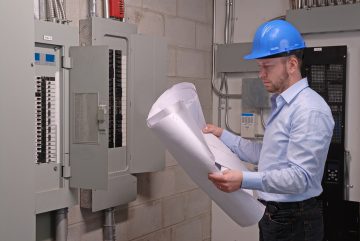
Use these commercial electrical safety tips to keep your employees safe at your facility.
Electrical systems are essential to nearly every commercial property. From lighting and office equipment to machinery and building systems, businesses rely on electricity throughout the day. Following practical commercial electrical safety tips can help employees and facility managers reduce hazards and recognize problems before they become serious.
CMI Lighting provides commercial electrical services that help businesses maintain safe, reliable electrical systems. While professional inspections and repairs are important, employees and facility managers also play an important role in everyday electrical safety.
Keep Electrical Areas Clear
Employees should avoid placing boxes, furniture, equipment, or other materials around electrical panels, outlets, and disconnects. Facility managers should regularly check these areas to make sure electrical equipment remains accessible.
Keeping electrical panels clear allows qualified professionals to reach them quickly when maintenance or repairs are needed.
Avoid Overloading Outlets
Plugging too many devices into one outlet or power strip can place excessive demand on a circuit. Employees should use outlets appropriately and avoid connecting multiple power strips together.
Facility managers should also pay attention to areas where employees regularly use numerous devices. If additional outlets or circuits are needed, a commercial electrician can evaluate the building’s electrical system and recommend an appropriate solution.
Watch for Warning Signs
Employees should know which electrical problems need to be reported. Warning signs can include:
- Flickering or dimming lights
- Frequently tripped breakers
- Burning odors
- Buzzing or crackling sounds
- Warm or discolored outlets
- Damaged cords or plugs
- Sparks from outlets or equipment
Employees should not attempt to diagnose or repair these problems themselves. Report them to the appropriate facility manager or maintenance professional.
Keep Damaged Equipment Out of Service
Damaged cords, plugs, outlets, and electrical equipment can create unnecessary hazards. Employees should stop using equipment that appears damaged and report it rather than attempting a temporary repair.
Facility managers should make sure damaged equipment is properly evaluated and repaired or replaced before it is returned to service.
Never Block Electrical Panels
Electrical panels should remain accessible at all times. Storage materials should not be placed in front of panels, even temporarily. Facility managers can include panel access in routine building inspections to help prevent this problem.
Schedule Professional Electrical Inspections
Everyday safety practices are important, but they do not replace professional inspections and maintenance. Facility managers should work with qualified commercial electricians to identify potential problems, address aging components, and keep electrical systems operating properly.
Regular professional attention can also help businesses plan necessary repairs or upgrades before electrical issues interfere with normal operations.
Partner with CMI Lighting
Following these commercial electrical safety tips can help employees and facility managers recognize hazards and respond appropriately. However, electrical repairs and system modifications should always be handled by qualified professionals.
CMI Lighting provides commercial electrical services to help businesses maintain dependable and safe electrical systems. Contact CMI Lighting when your facility needs professional inspections, repairs, maintenance, or electrical upgrades.
CHECK OUT COMMERCIAL ELECTRICAL SERVICES FROM CMI LIGHTING
With over 35 years in the industry, CMI has an array of equipment to handle the logistics of any in-house job. We also frequently provide solutions to property managers and upcoming developments. CMI Companies provides services in the Mid-Atlantic Region and proudly serves clients in Northern Virginia, Maryland, Richmond, Southern Virginia, Manassas, Prince William County, Fairfax County, Rockville, and Prince George’s County. Also, check us out on Facebook, Twitter, and LinkedIn.